
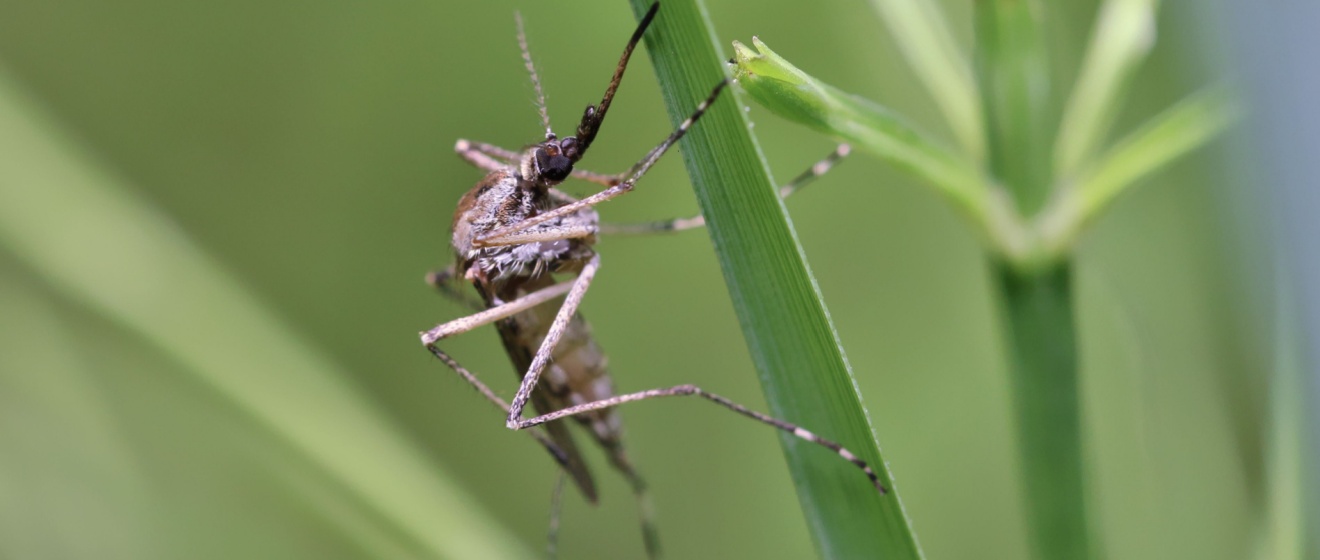
If you are looking for practical, actionable steps to reduce mosquito activity on your Lebanon property, this guide covers what you can do on your own and where professional mosquito control takes over to deliver the level of reduction that makes your outdoor space genuinely comfortable.
Step 1: Eliminate Breeding Sites
This is the most impactful thing you can do without calling a professional. Female mosquitoes need standing water to lay eggs, and it takes very little—a bottle cap holds enough water for mosquitoes to breed. Walk your property once a week and address every water source you find.
The sources you probably know about: birdbaths, plant saucers, pet water bowls, children’s outdoor toys, old tires, and unused containers.
The sources you probably do not: clogged gutters that hold water behind leaf debris. Corrugated downspout extensions that trap small pools in their ridges. A/C condensate lines that do not drain freely. The gap between a decorative pot and its inner nursery container. Low spots in the yard where irrigation or rain pools and does not drain. Tarps, grill covers, and equipment covers that sag and collect water.
Dump, drain, or cover every one of these weekly. This single habit eliminates the on-property breeding cycle that produces new mosquitoes every seven to ten days during Lebanon’s warm months.
Step 2: Manage Vegetation Near Outdoor Living Areas
Mosquitoes are weak fliers and vulnerable to heat during the day. They rest in cool, shaded, humid locations—dense shrubs, overgrown hedges, tall unmowed grass, ground cover plantings, the underside of deck structures, and the north side of the house where sun rarely reaches.
Trimming dense vegetation near patios and outdoor living areas, mowing consistently, and opening up airflow around the spaces where your family spends time reduces the resting habitat within arm’s reach of where you sit in the evening. You do not need to remove the landscaping. You need to make the area immediately surrounding your patio less hospitable for mosquitoes resting during the day.
Step 3: Improve Drainage
Standing water from poor drainage is one of the most productive mosquito breeding sources on any Lebanon property. Correct grading issues so water flows away from the home and away from outdoor living areas. Ensure gutters are clean and downspouts direct water at least four feet from the foundation. Fill low spots in the yard that hold water after rain.
Step 4: Use Fans
A simple, immediate comfort improvement for patios and decks. Mosquitoes cannot fly effectively in even moderate wind. A box fan, a standing oscillating fan, or an outdoor ceiling fan creates enough airflow to disrupt their ability to navigate and land. Fans do not reduce the population, but they make the immediate area noticeably more comfortable.
Step 5: Professional Mosquito Treatment
Steps 1 through 4 reduce breeding sites, resting habitat, and immediate exposure. Professional treatment reduces the adult mosquito population across the entire property.
A professional fogging targets the vegetation, structures, and harborage areas where adult mosquitoes rest during the day. The product adheres to foliage and surfaces, creating contact zones that continue killing mosquitoes that land on them between visits. Monthly treatments from March through October align with the active season and catch each generation.
The combination of homeowner breeding site elimination and professional adult population reduction is what produces the dramatic results—an 85% to 90% reduction in mosquito activity on the property. Either approach alone produces weaker results. Together, they transform the outdoor experience.
Apple’s Environmental offers a dedicated Mosquito Protection plan with monthly treatments through the active season. Current special offers include a mosquito program coupon. The service can be bundled with other pest plans for additional savings.
If you want your Lebanon yard back this summer, contact Apple’s Environmental for a free estimate.