
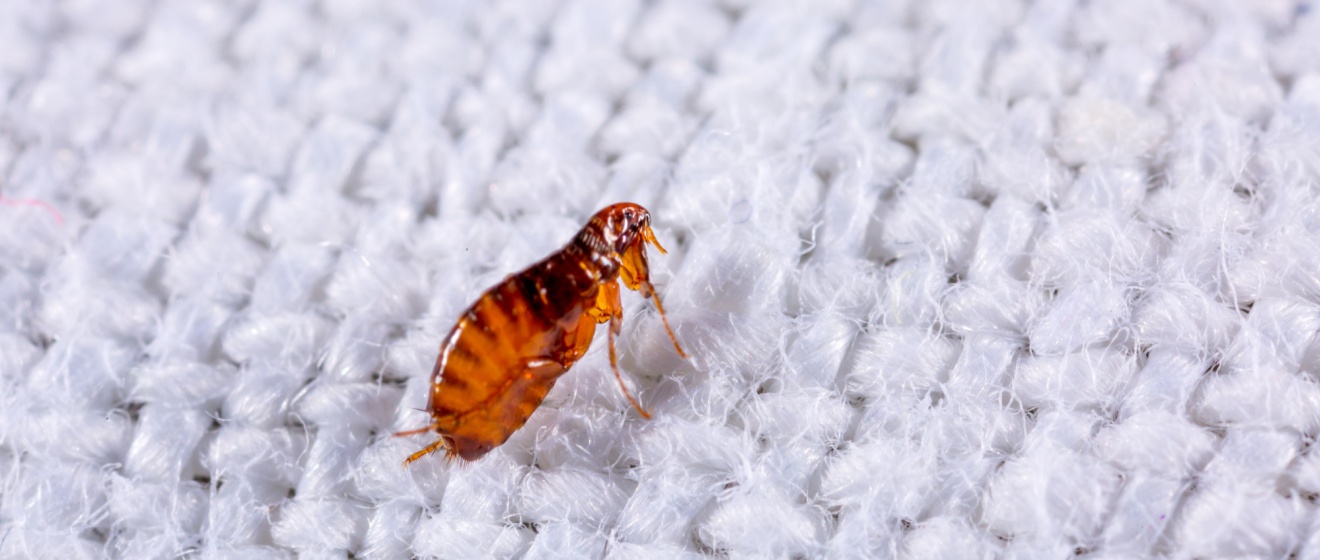
Flea and tick season in Middle Tennessee starts earlier and ends later than most homeowners expect. Warm, humid conditions in Wilson County allow both pests to stay active for most of the year, and waiting until you see a problem often means treating an infestation that has already taken hold. Scheduling flea and tick control before activity peaks gives a property the best chance of staying protected through the warmer months.
Early spring is the ideal window to begin treatment. Ticks become active once temperatures climb above roughly 45 to 50 degrees, and in Middle Tennessee that can happen as early as February or March. Flea populations also begin building as outdoor temperatures rise and host animals, including wildlife, stray cats, and family pets, move around yards and wooded edges more frequently. Starting treatment in early spring targets these pests before they reproduce and spread across a property.
Late spring through summer brings the heaviest activity for both pests. Tick nymphs are most active from April through June, and adult ticks reach their peak from August through October. Fleas follow a similar pattern, thriving in the heat and humidity that define a Tennessee summer. Homeowners who skip treatment during this stretch often see the fastest population growth, since both pests reproduce quickly when conditions are favorable.
Fall is not a time to let your guard down. Adult ticks remain active into October, and fleas can continue reproducing indoors even after outdoor temperatures cool, particularly in homes with pets. A fall treatment helps catch late-season activity before it carries into the following spring.
Several outdoor conditions make a yard more attractive to fleas and ticks throughout the year:
- Tall grass and overgrown lawn edges
- Leaf litter and wood piles near the house
- Dense shrubs or overgrown landscaping
- Areas where deer, raccoons, or stray animals pass through regularly
- Shaded, moist spots that stay cool during hot afternoons
Reducing these conditions helps, but it rarely solves an established problem on its own. Professional flea and tick control targets the areas where these pests live and breed, not just the areas where they are seen.
At Apple’s Environmental, our technicians build treatment plans around the actual conditions on a property rather than a single calendar date. A yard bordered by woods, one with heavy pet traffic, and one near a creek or drainage area each carry different risks, and each benefits from a slightly different approach. Ongoing seasonal treatment, rather than a single visit, is what keeps flea and tick pressure from returning once the weather warms back up.
Pet owners face an added layer of risk during every season. Dogs and cats that spend time outdoors can carry fleas and ticks indoors long before a bite or a scratching pet reveals the problem. Once fleas establish themselves inside a home, they can lay eggs in carpet, bedding, and upholstery, which makes an indoor infestation far harder to resolve than an outdoor one. Checking pets regularly and treating the yard on a consistent schedule reduces the chance of that happening in the first place.
Homeowners sometimes assume a hard freeze in winter will handle the problem for them. In Middle Tennessee, winters are often mild enough that ticks survive in leaf litter, wood piles, and other sheltered spots, then resume activity as soon as temperatures rise again in late winter or early spring. Relying on cold weather alone leaves a property exposed once conditions warm back up.
If ticks or fleas have already shown up around your Lebanon-area home, waiting for the problem to resolve on its own is rarely effective. Request a free quote and our team will walk your property, identify the conditions drawing these pests in, and recommend a treatment schedule suited to your yard and your family’s needs.