Lebanon sits in Wilson County at the eastern edge of the Nashville metro, where the humid subtropical climate, heavy rainfall, and mix of suburban development and rural terrain create a pest environment that is active across a long season. If you own a home here, these are the species you are most likely to encounter throughout the year and what drives each one into your Lebanon property.
Termites
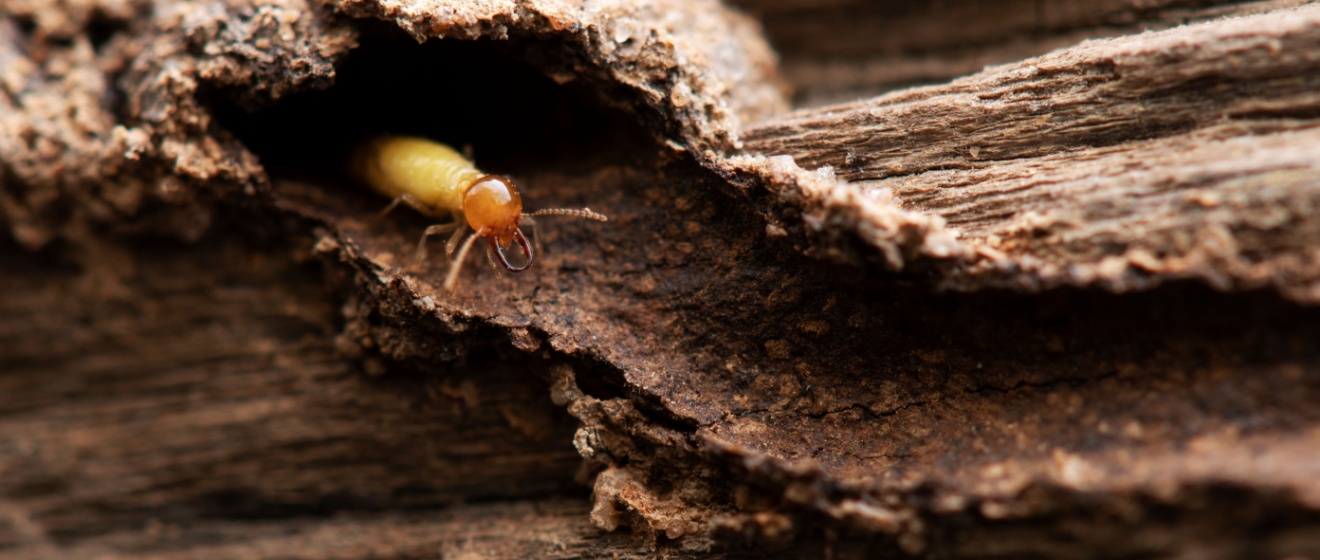
Eastern subterranean termites are the most financially significant pest in Lebanon. Middle Tennessee has heavy subterranean termite pressure—the warm, moist soil that nearly 47 inches of annual rainfall produces is ideal for large colonies.
Subterranean termites live in the soil and access wood through mud tubes built from the ground to the wood surface. They feed on structural wood from the inside, and damage often progresses for years before it becomes visible. Signs include mud tubes on foundation walls, swarmer activity in spring (small, dark-bodied winged insects near windows and baseboards), and hollow-sounding wood near the foundation.
Apple’s Environmental uses the Trelona Annual Termite Baiting System—an advanced solution that targets the entire colony, not just the termites you see. Annual termite inspections are strongly recommended for every Lebanon home.
Ants
Ants are the most common insect complaint in Lebanon homes. Several species are active:
- Odorous house ants: Small, dark, produce an unpleasant smell when crushed. Nest in moist soil near foundations and inside wall voids. The most frequent indoor trailing ant in Middle Tennessee.
- Pavement ants: Nest under driveways, walkways, and slabs. Push soil mounds through cracks in hardscaping. Common kitchen foragers.
- Carpenter ants: Large and structurally destructive. They excavate galleries inside moisture-damaged wood. In Lebanon, where rain, humidity, and storms create abundant moisture-compromised wood, carpenter ants are a genuine structural concern.
- Fire ants: Red imported fire ants build large mound colonies in yards and can deliver painful stings that cause serious reactions in children and pets. Mounds appear aggressively after rain.
Brown Recluse Spiders
Brown recluses are one of the most medically significant pests in Lebanon. They are light brown with a violin-shaped marking, and they prefer dark, undisturbed spaces—closets, storage boxes, garages, attics, behind furniture, and inside rarely worn shoes. Bites can cause necrotic tissue damage requiring medical attention.
Brown recluses are common enough throughout Middle Tennessee that most homes with undisturbed storage areas will encounter them. Professional treatment that targets their specific harborage areas is the most effective approach.
Cockroaches
- American cockroaches: Large, reddish-brown, associated with sewer systems and exterior harborage. Enter through drains and foundation gaps, especially during warm, humid weather.
- German cockroaches: Small, fast-breeding indoor pests that thrive in kitchens and bathrooms. Require aggressive professional treatment.
- Oriental cockroaches: Dark, moisture-dependent, commonly found in garages, basements, and damp areas near the foundation.
Lebanon’s humid climate supports all three species at elevated levels.
Rodents
House mice and Norway rats are active in the Lebanon area year-round, with activity increasing significantly in fall and winter. The mix of suburban development, agricultural land, and open terrain surrounding Lebanon creates constant rodent pressure on residential properties. Mice enter through gaps as small as a dime and can contaminate food, damage wiring, and reproduce rapidly once inside.
Mosquitoes
Middle Tennessee’s warm, humid climate and heavy rainfall create productive mosquito breeding habitat from March through October. Standing water from thunderstorms, poor drainage, and residential landscaping provides ample breeding sites.
Stinging Insects
Paper wasps, yellow jackets, hornets, and carpenter bees are common around Lebanon homes from late spring through fall. Carpenter bees bore into untreated wood—decks, fascia, and porch framing—causing cosmetic and structural damage over time.
Moisture Pests
Silverfish, centipedes, earwigs, and millipedes thrive in Lebanon’s humid conditions—particularly in basements, bathrooms, and crawl spaces. Their presence often indicates moisture conditions that may also be contributing to termite risk and carpenter ant activity. Apple’s Environmental offers moisture control services that address the underlying conditions these pests depend on.
Fleas and Ticks
The humid climate supports flea and tick activity for much of the year. Homes with pets are most vulnerable, but wildlife—deer, raccoons, and opossums—also introduces these pests to residential properties throughout Wilson County.
Why Year-Round Protection Matters
Lebanon’s climate supports pest activity across a long season with only a partial winter slowdown. Termite colonies are active in the soil year-round. Rodents move indoors in fall and breed through winter. Brown recluses remain active in sheltered interior spaces regardless of the outdoor temperature. Professional pest management that maintains consistent protection across all four seasons is how Lebanon homeowners keep these species managed.
If you want to know what pests are active on your Lebanon property, contact Apple’s Environmental for a free estimate.