
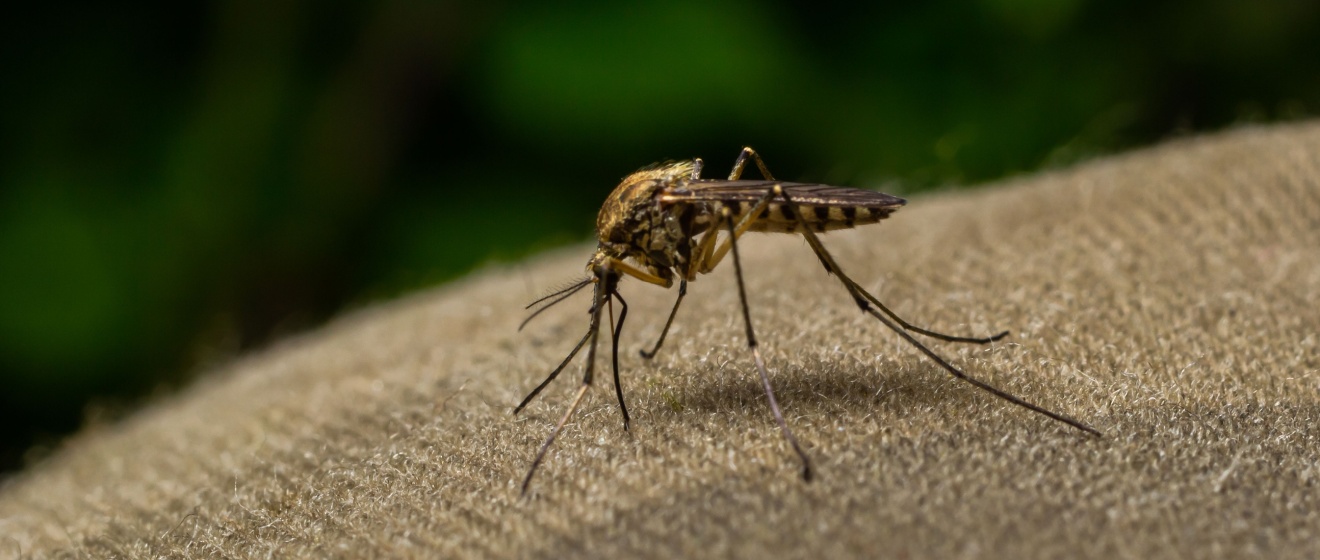
By August, many Lebanon homeowners have given up on evening cookouts and backyard time altogether because mosquitoes make it nearly impossible to enjoy the outdoors. Several factors specific to Middle Tennessee’s climate and landscape combine each summer to create ideal mosquito breeding conditions, and understanding them explains why the problem feels so much worse here than in drier regions.
Heat and Humidity Create Ideal Breeding Conditions
Mosquitoes require warm temperatures to complete their life cycle, and Wilson County’s long, humid summers give them exactly that. Once temperatures stay consistently above 70 degrees, mosquito eggs hatch faster, larvae mature more quickly, and adult mosquitoes live long enough to bite repeatedly and lay additional eggs. High humidity also helps adult mosquitoes survive longer between rainfall, since it keeps them from drying out during the hottest parts of the day.
Standing Water Is Everywhere
A female mosquito needs only a small amount of standing water to lay her eggs, and a typical yard offers plenty of it. Clogged gutters, forgotten flowerpot saucers, tarps, birdbaths, low spots in the lawn, and children’s toys left outside after a storm can all hold enough water to support a full mosquito life cycle. Because eggs can hatch in as little as a week during summer heat, even water that collects after a single afternoon thunderstorm is enough to fuel a new generation.
Frequent Summer Storms Keep Refilling Breeding Sites
Middle Tennessee’s summer storm pattern works against homeowners trying to stay ahead of mosquitoes. Just as standing water begins to evaporate, another round of rain refills gutters, low-lying yard areas, and any other container capable of holding water. This cycle repeats through much of the season, giving mosquitoes a steady supply of new breeding sites without much of a break.
Vegetation and Shade Provide Shelter
Mosquitoes rest in shaded, humid areas during the heat of the day, and Lebanon’s mature trees, dense shrubs, and tall grass provide exactly that kind of shelter. Overgrown landscaping near a home’s foundation, thick groundcover, and shaded corners of a yard all give mosquitoes a place to wait out the afternoon before becoming active again at dusk, which is when most people are outdoors.
What This Means for Homeowners
Because so many of these conditions exist naturally in Middle Tennessee, eliminating every mosquito breeding site on a property is rarely realistic. A few water balloons, a single clogged downspout, or a low spot that only holds water briefly is often enough to sustain a population. Homeowners who rely only on repellents or citronella candles typically find the relief is short-lived and limited to a small area.
Professional mosquito treatment addresses the problem differently by targeting resting sites and breeding areas directly rather than trying to repel adult mosquitoes after they are already active. Apple’s Environmental applies treatments designed for Tennessee’s climate, focusing on the shaded, humid areas where mosquitoes rest and the standing water sources where they reproduce.
If mosquitoes have made your backyard unusable this summer, a one-time treatment is unlikely to solve a problem that renews itself every time it rains. Request a free quote and our team will assess your property’s specific conditions and outline a treatment plan built for Lebanon’s climate.